Duration
3 years
Level
WO (University)
Outlook
Groeiend
What will you learn?
Videos about Biology
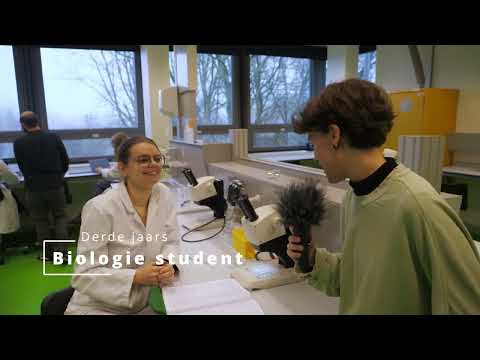
Een dag in het leven van een Biologiestudent
Required Education
VWO diploma with mathematics B and physics (N&T profile).
Core Subjects
Career Prospects
Impact of AI on this program
Where can you study this?Institutions from DUO Open Data. Exact program names may vary.
Institutions from DUO Open Data. Exact program names may vary.
Possible Job Matches
Right after this study
Jobs you qualify for immediatelyGrowth opportunities
Roles you can grow into with experience or further studySimilar Studies
Milieukunde
De opleiding WO Milieukunde richt zich op de bestudering van milieuproblemen en -oplossingen in een breed scala van contexten. Studenten leren hoe...
4 years
WO (University)Wiskunde
De opleiding Wiskunde aan de universiteit biedt studenten een sterke basis in wiskundige theorieën, technieken en toepassingen. Deze studie richt...
4 years
WO (University)Master Sustainable Energy Management
In deze master bestudeer je de technische, economische en beleidsmatige aspecten van duurzame energiesystemen. Je verdiept je in hernieuwbare...
2 years
WO (University)Master Sustainable Energy
In deze masteropleiding verdiep je je in de technische, economische en beleidsmatige aspecten van duurzame energie. Je bestudeert verschillende...
2 years
WO (University)Duurzaamheid & Innovatie
De masteropleiding Duurzaamheid & Innovatie richt zich op het ontwikkelen van duurzame oplossingen voor complexe vraagstukken in de natuur- en...
2 years
Discover more on Findmino
Other studies, careers, ideas and blogs you might not know yet.
This website uses cookies
We use cookies to improve your experience, personalize content, and analyze traffic. By clicking "Accept all", you agree to our use of cookies. You can also adjust your preferences or find more information in our cookie policy.